

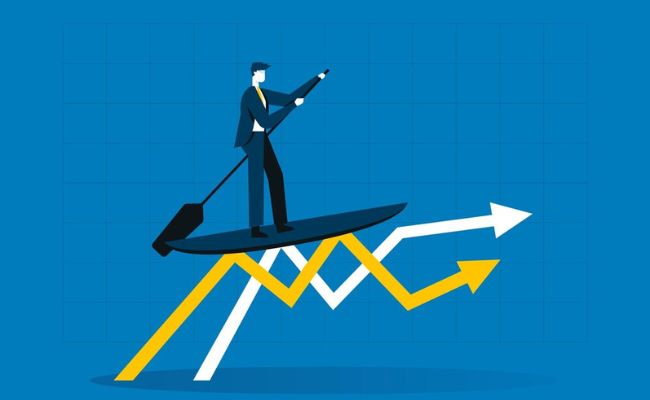
Risk is a fundamental part of every business endeavor. It represents the chance that an unexpected event could adversely affect objectives, resources, or operations. Whether a new product launch or a merger, every strategic move carries inherent risks. Effective risk management equips organizations to foresee these uncertainties, prepare for them, and respond proactively.
It’s more than just preventing losses—it’s about enabling growth, securing resilience, and achieving long-term goals. By embedding risk thinking into decision-making, companies operate more confidently and sustainably.
Key Principles
Risk management is a structured and cyclical process built around five essential steps:
1. Establish the Context
Understand the internal and external environment in which the organization operates. Define objectives, risk appetite, and the scope of the risk management activity.
2. Identify Risks
Gather data and insights to recognize what could go wrong. This may involve reviewing past incidents, interviewing stakeholders, conducting audits, and using tools like checklists or SWOT analysis.
3. Analyze and Evaluate
Assess the likelihood and impact of identified risks. This evaluation prioritizes which risks need immediate attention and which can be monitored.
4. Treat Risks
Decide on appropriate actions:
- Avoid the risk by altering plans.
- Reduce the likelihood or impact with controls.
- Transfer it (e.g., via insurance or outsourcing).
- Accept the risk when it’s minimal or unavoidable.
5. Monitor and Review
Risk management is ongoing. Constant monitoring ensures that strategies remain effective and are updated to reflect new realities.
These steps foster a consistent, proactive approach to managing uncertainty.
Risk Tools and Frameworks
Organizations adopt several frameworks and tools to support effective risk management:
Popular Frameworks
- ISO 31000
A globally recognized standard offering guidelines, principles, and a framework adaptable to any organization, regardless of size or sector. - COSO ERM Framework
Focuses on aligning risk with strategy and performance. It emphasizes governance, organizational culture, and internal controls.
Common Tools
- Risk Registers
A central document tracking all risks, their impact level, mitigation plans, and ownership. It provides transparency and facilitates accountability. - Heat Maps
Visual representations plotting risk likelihood against impact. These help prioritize risks and communicate their severity. - SWOT & PESTLE Analysis
- SWOT identifies internal strengths and weaknesses alongside external opportunities and threats.
- PESTLE examines Political, Economic, Social, Technological, Legal, and Environmental factors that may affect the business.
These frameworks and tools structure the risk management process, enabling a systematic and comprehensive approach.
Technology’s Role
Technology has transformed traditional risk management into a more dynamic and data-driven discipline. Key advancements include:
- Risk Management Software
Platforms like LogicManager or Resolver automate workflows, track incidents, generate reports, and centralize data. This enhances efficiency and consistency. - Artificial Intelligence (AI)
AI and machine learning analyze large data sets to uncover hidden patterns, detect anomalies, and forecast emerging risks. - Real-Time Dashboards
Dashboards allow decision-makers to monitor risks across departments instantly, enabling quick response and cross-functional coordination. - Cloud-Based Collaboration Tools
These tools ensure global teams can share updates, flag concerns, and make informed decisions in real time.
With digital tools, risk management shifts from reactive crisis handling to predictive intelligence.
Organizational Impact
Effective risk management strengthens a business at every level. Here are the key benefits:
- Operational Continuity
Identifying threats early reduces service disruptions and downtime. - Informed Decision-Making
Reliable data and scenario analysis help leaders choose actions based on real insight, not assumptions. - Enhanced Reputation
Stakeholders—investors, customers, and regulators—trust companies that handle crises well and operate transparently. - Regulatory Compliance
Risk frameworks often overlap with legal requirements, ensuring alignment with global standards and avoiding penalties. - Strategic Agility
Companies can seize opportunities quickly and navigate change with confidence when risks are well understood.
Ultimately, strong risk management enhances competitiveness and long-term viability.
Career Pathways
As organizations prioritize resilience and governance, the demand for risk professionals is rising across industries. Common roles include:
- Risk Analyst
Collects and evaluates data to assess risk exposure and trends. - Compliance Officer
Ensures the organization adheres to external regulations and internal policies. - ERM Consultant
Provides strategic advice to integrate risk into business planning and culture. - Operational Risk Manager
Focuses on preventing failures in systems, processes, or people that could affect operations.
Certifications and Skills
To build credibility, professionals pursue certifications like:
- ISO 31000 Lead Risk Manager
Focuses on applying risk standards in real-world environments. - COSO ERM Certification
Emphasizes integrating risk with performance, governance, and strategy. - CRMP (Certified Risk Management Professional)
Globally recognized and suitable for a wide range of risk roles.
Key skills include analytical thinking, communication, problem-solving, and proficiency in risk software and data analysis.
Risk Culture and Governance
Developing a strong risk culture is essential. This means fostering awareness, accountability, and proactive behavior at every level of the organization.
What Makes a Risk-Aware Culture?
- Leadership Commitment
Senior leaders set the tone through policies, practices, and personal example. - Training and Communication
Employees must be educated on how to identify, report, and respond to risks. - Open Reporting Environment
Staff should feel safe to raise concerns or suggest improvements.
Governance Essentials
- Clear roles and responsibilities for risk oversight.
- Regular reviews and internal audits.
- A risk committee or designated officer to oversee strategy execution.
Good governance ensures that risk management becomes a strategic enabler rather than a box-ticking exercise.
Real-Life Applications
Practical examples highlight how organizations have benefited from well-implemented risk management:
1. Financial Services
A multinational bank employed AI to detect fraud in real-time, reducing financial losses by 30% within a year.
2. Manufacturing Sector
A global manufacturer introduced safety protocols and predictive maintenance based on risk analytics, resulting in fewer accidents and higher production uptime.
3. Healthcare Industry
Hospitals used risk registers and incident tracking to enhance patient safety, identify staff shortages, and reduce operational errors.
These stories demonstrate how risk tools, when applied effectively, create measurable improvements across sectors.
Emerging Trends in Risk Management
The world of risk is constantly evolving. Here are key trends shaping its future:
- Cybersecurity Threats
With increased digitalization, data breaches and ransomware are among the top concerns. - Climate Change and ESG Risks
Environmental, Social, and Governance issues are now central to business risk agendas, influencing investment and regulatory decisions. - Supply Chain Disruptions
Global events, from pandemics to geopolitical tensions, have exposed vulnerabilities in logistics and sourcing. - Integrated Risk Management (IRM)
A broader evolution of ERM, IRM connects risk data across all business units to support better decision-making. - Scenario Analysis and Stress Testing
More companies are simulating hypothetical crises to test their readiness and adaptability.
Being proactive in addressing these trends is crucial to building future-ready risk strategies.
For more details and structured learning, please explore our Fraud Risk Management Course.
Explore Best Online Courses to Learn Risk Management
If you’re new to risk management or looking to deepen your expertise, there’s no better time to start than now. Learning from industry experts can help you build a strong foundation and gain certifications that set you apart in the job market.
At www.smartonlinecourse.com, in collaboration with the Risk Management Association of India, www.rmaindia.org , you can explore a range of self-paced, affordable online courses designed for both beginners and professionals. These courses are tailored to real-world needs, taught by experts, and designed for flexible learning.
Visit www.smartonlinecourse.com to explore more! Email: info@smartonlinecourse.org
Conclusion
Risk management is no longer just about minimizing threats—it’s about enabling possibilities. It supports innovation, enhances strategic focus, and fosters organizational resilience.
For businesses, adopting a risk management mindset ensures preparedness, agility, and compliance in an unpredictable world.
For individuals, gaining knowledge and experience in this field opens doors to dynamic career paths and positions of influence.
By embracing risk as part of your strategy—not separate from it—you lay the groundwork for sustainable, confident growth.
FAQs About Risk Management
1. What is the main purpose of risk management?
To identify, assess, and mitigate potential threats that could impact a company’s operations, objectives, or reputation.
2. What are the five steps of risk management?
Establish context, identify risks, analyze/evaluate risks, treat risks, and monitor/review regularly.
3. What is ISO 31000 in risk management?
It’s an international standard that provides principles and guidelines for effective risk management practices.
4. How does risk management benefit businesses?
It increases resilience, improves decision-making, boosts compliance, and helps organizations seize opportunities safely.
5. What careers are available in risk management?
Risk Analyst, Risk Manager, Compliance Officer, ERM Consultant, and more.
6. Where can I learn risk management online?
You can enroll in expert-led courses on SmartOnlineCourse.com, in collaboration with the Risk Management Association of India.
